This case began with this remarkable newspaper report from 9 February 1850.
| DEATH OF A WEALTHY AND ECCENTRIC LADY – On Tuesday evening Mr H M Wakley held at the York, New-road, Marylebone a protracted inquiry touching the death of Martha Joachim, an unmarried lady, late of 27, York-buildings, aged sixty-two. The jury proceeded to view the body, but had to beat a sudden retreat until a bull dog belonging to deceased, and which savagely attacked them, was secured. It was shown in evidence that on the 1st of June 1808, deceased’s father, an officer in the Life Guards, was murdered and robbed in the Regent’s-park. A reward of £100 was offered for the murderer, who was apprehended with the property upon him, and executed. In 1825 a suitor of deceased, whom her mother rejected, shot himself whilst sitting on a sofa with deceased, who was covered with his brains. From that instant, she lost her reason. Since her mother’s death, eighteen years ago, she had led the life of a recluse, dressed in white, and never going out. A charwoman occasionally brought her what supplied her wants. Here only companions were the bull-dog, which she nursed like a child, and two cats. Her house was filled with images of soldiers in lead, which she called her “body-guards”. When the collectors called for their taxes, they had to cross the garden-wall to gain admission. Last week, a man named Long, who was her cousin, visited her daily, and left at night. On Thursday week, he refused to leave, as she appeared dangerously ill. She however insisted upon locking him a room, from which he disengaged himself the following morning, and went in search of deceased, whom he found dead on a dirty bed in the parlour. Mr. Norton surgeon, was instantly called in, who said that she had died of bronchitis, and would probably have recovered had she had proper medical aid. The jury returned a verdict in accordance with Mr. Norton’s opinion. After the inquest, the jury, accompanied by deceased’s relatives, examined the house, every window and door of which was bolted and well secured. That precaution she adopted in consequence of thieves having broken into and robbed the house a year back. Her mother’s room, which had not been opened since her death, was forced open and in it was found a strong box containing back stock to the value of £2,900, 62 shares of the Hope Assurance of £50 each, deeds, leases of property and life assurance policies. The room and furniture were in the same state as they were at her mother’s death. |
In Summary: Martha Joachim, an unmarried woman died aged 62. After the death of her mother she had become a recluse, rarely if ever leaving the house. Her death led to an inquest because she had been found in very poor circumstances, apparently without proper medical care. Afterwards, the relatives and jury searched the house and discovered her mother’s room, which had apparently remained untouched for 18 years and which contained stocks and shares, deeds and leases of property, and life assurances policies. Who was this extraordinary woman, and what had happened to her?
We identified Martha Joachim’s family. She was born on 29 December 1788 and baptised on 22 January 1789, the daughter of William Joachim and Martha Smith. Her parents had married on 15 February 1787. William was a widower and Martha Smith a widow when they married.
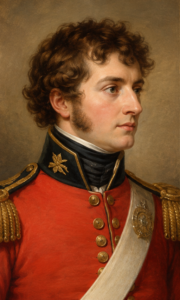 The story of William Joachim, Martha’s father is a mystery in its own right. The 1850 newspaper clipping says that William was an officer in the Life Guards who was murdered and robbed in Regent’s Park on 1 June 1808.
We then found contemporary newspaper evidence which gives us a much clearer picture. William Joachim was described as being of Pratt Place, Camden Town, and was murdered in the fields near the Queen’s Head and Artichoke in Marylebone. Another historical account places him on his way home towards Lisson Grove after visiting the Jew’s Harp Tavern, where he had been watching skittle-playing. A reward of 100 guineas was offered for the apprehension of his murderers.
One of the best discoveries was a contemporary report about a suspected soldier, George Jones. He was a carver and gilder, working for Mr Jewel. He enlisted on 19 May 1808 into the 30th Regiment of Foot
Jones said he had been sleeping in the fields near the Jew’s Harp when he found a pistol. He picked it up and it discharged, blowing off part of a finger. He threw the pistol away. Two labourers subsequently found the pistol and took it to a magistrate. Jones was taken back to the location and identified the pistol as the one he had found and discarded. His story was independently corroborated, including by the woman selling fruit and cakes whom he said he had encountered after injuring himself. The police therefore concluded that his account was satisfactory and he was not detained.
Importantly, the report also said the pistol was not capable of firing the type of projectile which had killed Joachim. George Jones was effectively cleared, so he is no longer a serious candidate for William’s murderer.
The other 1808 suspect was a Woolwich carpenter, and a much more interesting loose end emerged from another contemporary report. An unnamed carpenter from Woolwich, apparently unemployed, had attracted suspicion because he was seen with a substantial amount of money, powder and pistols. He was questioned by Bow Street officers. However, with the assistance of a publican, he apparently convinced them of his innocence and was not detained.
Five years later, in 1813, another murderer came into the story, William Howe. He was executed for the murder of Benjamin Robins. When Bow Street officers arrested him, they found a silver watch among his possessions. After Howe’s execution, a newspaper reported that the watch was William Joachim’s and that Howe had therefore been strongly suspected of Joachim’s murder. This is a fascinating connection — but it needs to remain carefully qualified. We do not have proof that Howe murdered Joachim. Howe was never tried for Joachim’s murder. He was never questioned about it. We don’t yet know exactly how the watch was identified as Joachim’s. It remains possible that Howe had acquired stolen property without committing the murder. So this remains an intriguing but unresolved connection.
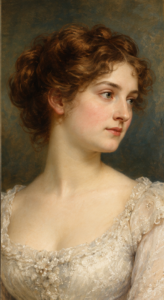 Martha was only about 19 when her father was murdered. The 1850 newspaper gives the next extraordinary episode. It says that in 1825, a suitor whom Martha’s mother had rejected shot himself while sitting on a sofa with Martha, and that Martha was covered by his brains. The newspaper says “From that instant, she lost her reason.” And thereafter she apparently withdrew from ordinary life.
But this is one of our biggest unanswered questions. We have not found an independent contemporary report of the 1825 suicide. Everything we currently know about it comes from the 1850 retrospective account. We therefore shouldn’t treat the identity of the suitor, the exact circumstances, or even every detail of the story as independently proven.
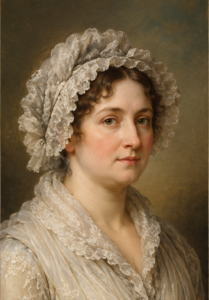 Martha’s mother, also called Martha Joachim, died on 9 January 1832. We looked for a will/probate record for her but haven’t found one. So the enormous collection of financial assets discovered in her room in 1850 remains unexplained.
By the time of the 1841 census we have a very revealing snapshot of Martha Joachim. Aged about 50, of independent means, she is living alone at 27 York Buildings. The 1850 account describes Martha as living an extraordinarily isolated existence. She apparently kept the house extremely secure after thieves had broken in and robbed her the previous year. Tax collectors apparently had to climb over the garden wall to gain access. A charwoman occasionally brought her provisions.
Near the end of her life a cousin named Long began visiting her daily. We have not identified him. He may provide a route into Martha’s extended family.
Martha became seriously ill in January 1850. Her cousin Long refused to leave because he believed she was dangerously ill. She nevertheless locked him in a room. He escaped the following morning and found her dead on a dirty bed in the parlour. A surgeon, Mr Norton, gave the cause of death as bronchitis and believed she might have recovered with proper medical treatment. The jury accepted his opinion. So Martha’s death itself was not a murder mystery. The mystery lies in the extraordinary life that preceded it.
We also found an entirely separate thread confirming the family’s long-standing connection with Marylebone. A 1905 Marylebone Mercury article, referring to John Brown’s History of Marylebone, describes a memorial tablet to “W. and Martha Joachim” who had been long-term residents of the parish. It states that they were buried in a tomb on the south side of Paddington Street. The surviving St Marylebone memorial record also identifies Martha Joachim, Spinster, daughter of the above.
A Victorian Woman, Eccentricity and the Private World
Martha Joachim’s story provides an intriguing insight into Victorian attitudes towards mental disturbance, female respectability and eccentricity. According to the 1850 newspaper account, the traumatic suicide of a rejected suitor in 1825 caused her to “lose her reason”, after which she withdrew almost completely from society. Although we cannot independently verify the details of this incident, the account shows how emotional shock could be used to explain unusual behaviour. Martha was never portrayed simply as a “mad” woman who needed to be removed from society; instead, as a wealthy and respectable unmarried woman, she was able to remain in her own home for many years, living a highly private existence.
The case also illustrates the importance Victorian society placed on respectability and privacy. Martha’s eccentric behaviour was extraordinary: she rarely left the house, kept a beloved bulldog and two cats, surrounded herself with toy soldiers that she called her “body-guards”, and secured her house so thoroughly that even tax collectors had to climb over the garden wall. Yet there is no suggestion that she was regarded as morally disreputable. Her wealth, independence and respectable family background appear to have allowed her considerable freedom to live as she wished, provided her eccentricity remained largely behind closed doors.
Finally, the circumstances of her death reveal another aspect of Victorian society: the fascination with the eccentric and mysterious. The newspaper’s headline, “Death of a Wealthy and Eccentric Lady”, and its detailed description of her strange home life turn Martha’s death into a story of curiosity as well as an inquest. The discovery of substantial investments, property documents and insurance policies hidden away in her mother’s untouched room added another layer of intrigue. Martha’s life therefore illustrates a striking Victorian contrast: considerable financial independence and material security existing alongside extreme social isolation. Her story shows how Victorian society could simultaneously be fascinated by eccentricity, concerned about mental and physical welfare, and yet willing to leave a respectable, independent woman largely to her own private world.
CONCLUSION
We’ve gone from one extraordinary 1850 newspaper report to a surprisingly detailed reconstruction spanning 1787–1850, with independent evidence for much of it.
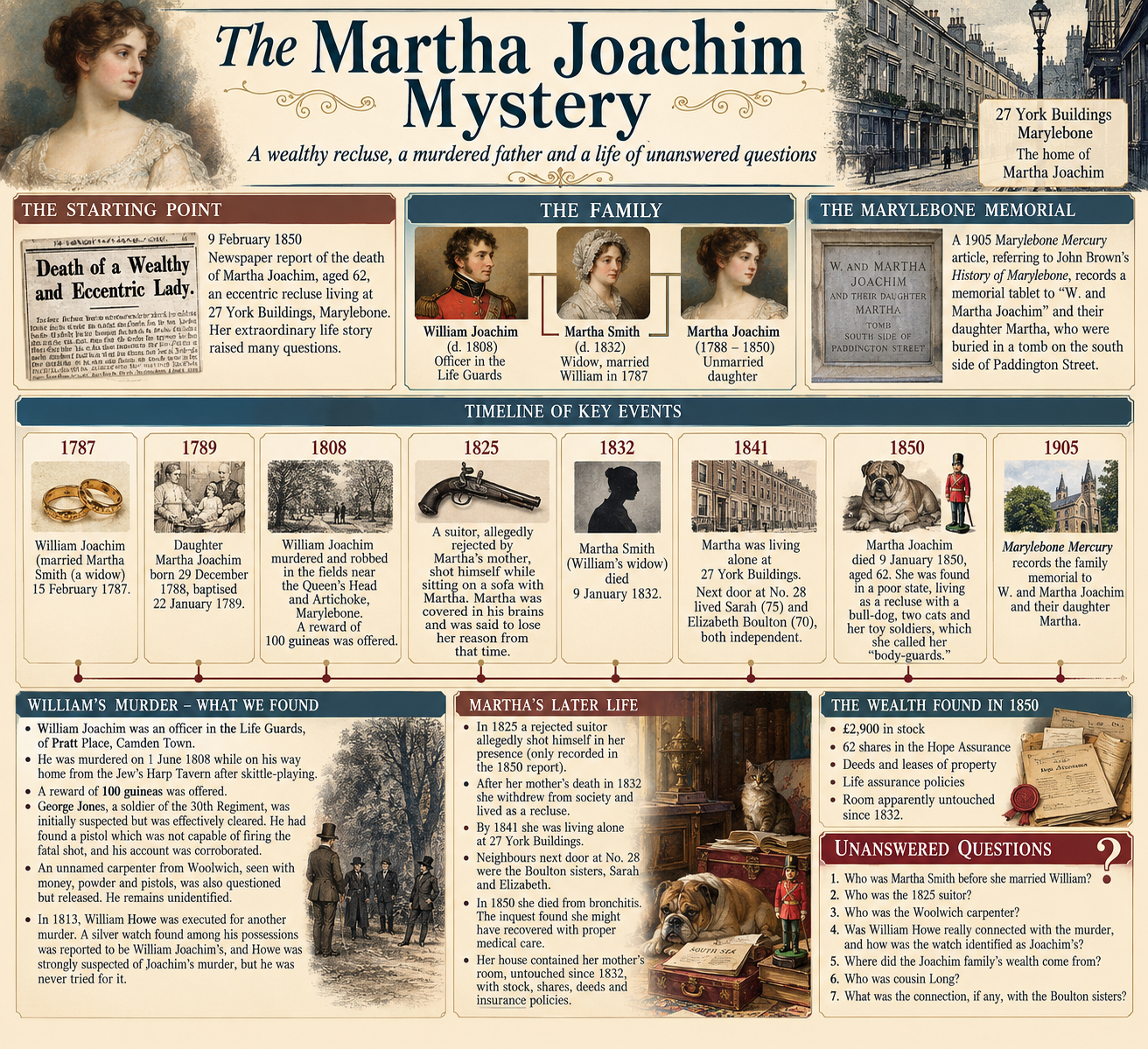
Note: All images generated by ChatGPT.